Skip to content

STG Health Services

Anxiety Care

  • Treatment Pathways
  • How Treatment Works
  • Not sure what fits?
  • Fees & Coverage
  • FAQ
  • Treatment Pathways
  • How Treatment Works
  • Not sure what fits?
  • Fees & Coverage
  • FAQ
Start a screening

Archives

The ADHD Parenting Rollercoaster: Evidence-Based Strategies for Calmer, More Confident Children (Ages 7-14)
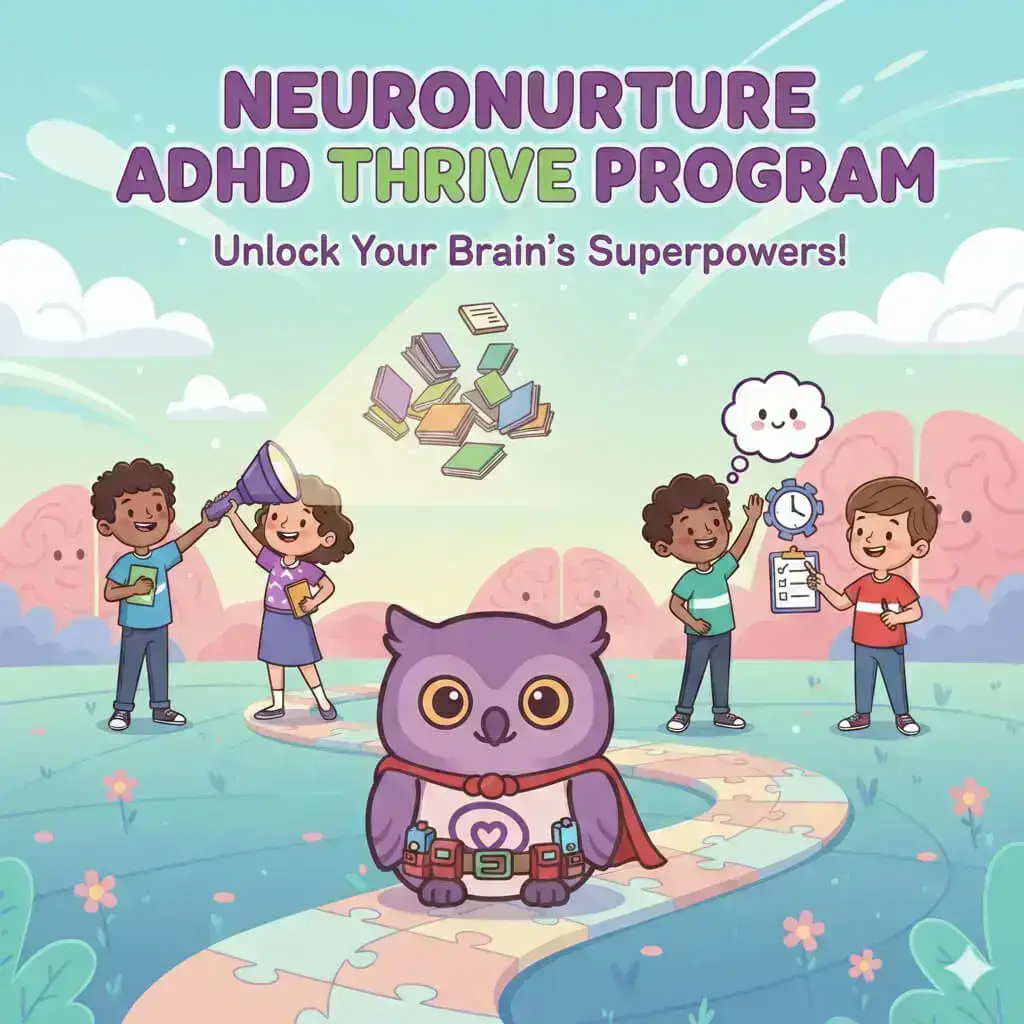
Cartoon owl in superhero cape stands on a puzzle path. Kids hold books, telescope, clipboard, and speech bubble. Text reads, Neuronurture ADHD Thrive Program: Unlock Your Brain’s Superpowers! Pastel outdoor background. STG-Health

Evidence-based ADHD parenting strategies transform daily battles into family harmony. Specialized program for children ages 7-14 includes child training and parent coaching.

The CBT-SAD breakthrough that changes everything we thought we knew about beating winter depression
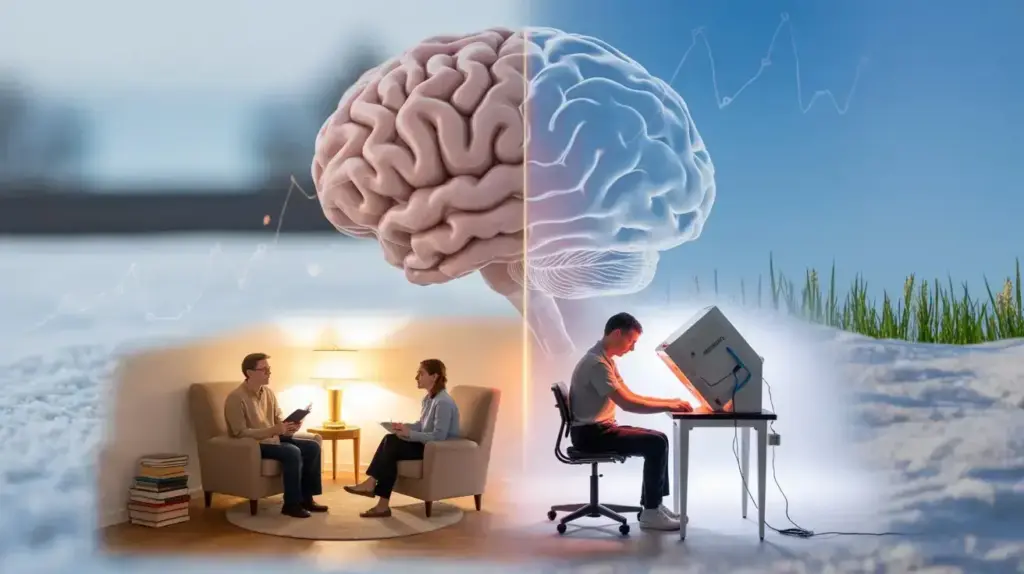
A split scene shows a brain in the center. On the left, two people sit and talk in a cozy indoor setting. On the right, a person uses a computer outdoors with grass and blue sky. Graph lines connect both sides. STG-Health

New 2024-2025 research reveals CBT-SAD prevents seasonal depression recurrence in 73% vs 54% for light therapy alone. Discover which treatment provides lasting winter mood protection.

The Hidden Operating System Running Your Life (And How to Finally Get Administrator Access)

A woman sits cross-legged on a cushion indoors, eyes closed, with one hand on her chest and one on her abdomen, appearing calm and focused, likely practicing deep breathing or meditation in a sunlit room. STG-Health

Discover the RESET Protocol: five strategic categories of micro-interventions that effectively retrain your overactive nervous system and reduce chronic anxiety, hypervigilance, and trauma responses naturally.

How Your Expectations About Therapy Can Help or Hurt You: The Placebo and Nocebo Effects
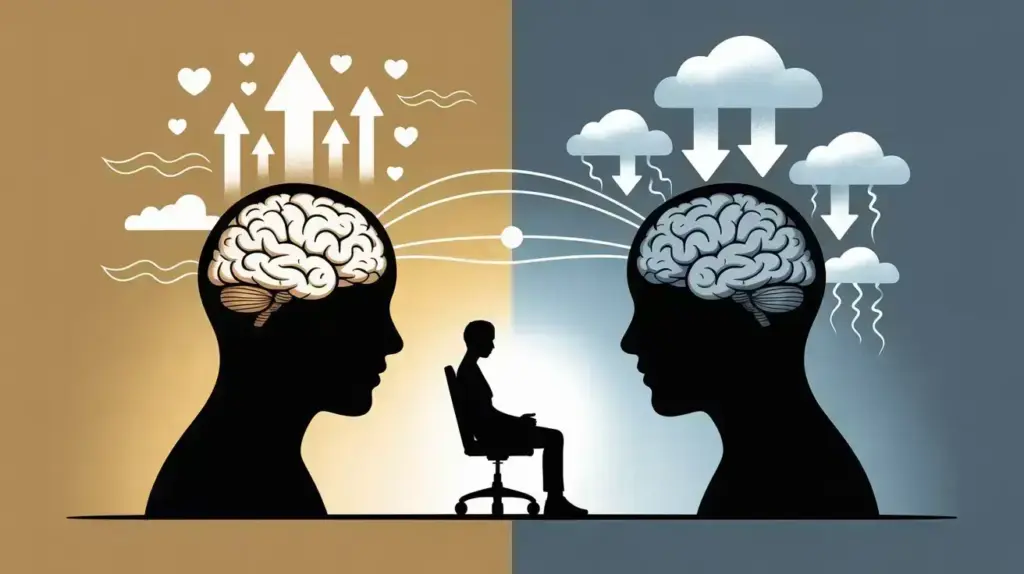
Two human silhouettes face each other, one with bright arrows and hearts above the brain, the other with clouds and rain. A person sits in a chair between them, symbolizing contrasting mental states or emotions. STG-Health

Discover how your expectations about therapy create real brain changes that directly affect healing outcomes. Learn to harness placebo effects and avoid negative mindset traps.

Why People with ADHD Get Bored More Easily—And How to Beat the Cycle
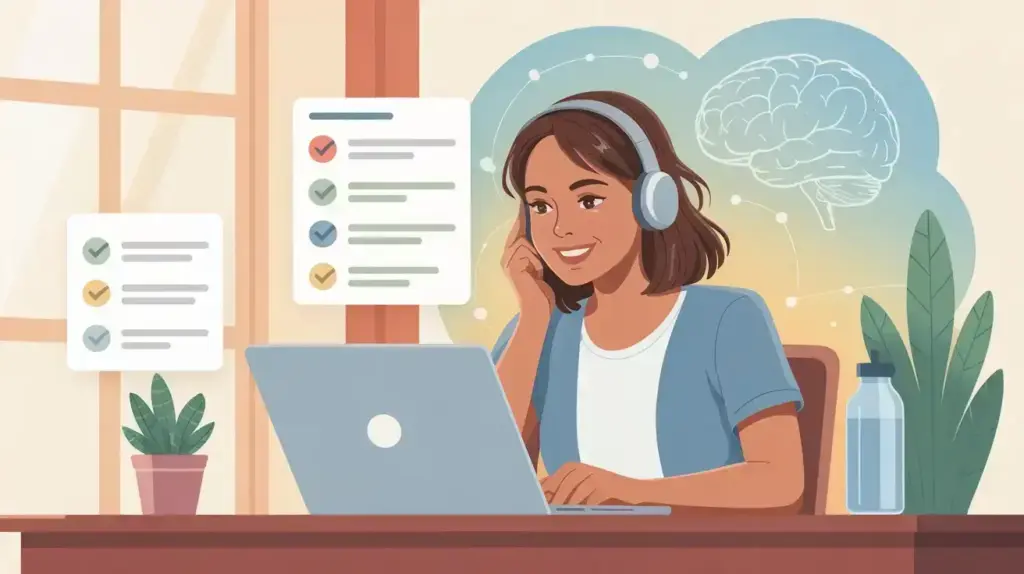
A young woman wearing headphones smiles while working on a laptop at a desk. There are checklists, a brain illustration, a water bottle, and a plant nearby, suggesting a productive and focused study or work environment. STG-Health

New research explains why people with ADHD experience intense boredom more easily than others. Learn five proven evidence-based practical strategies to beat the boredom cycle.

Stop Calling It “Survival Mode” – Your Stress Response Isn’t Broken
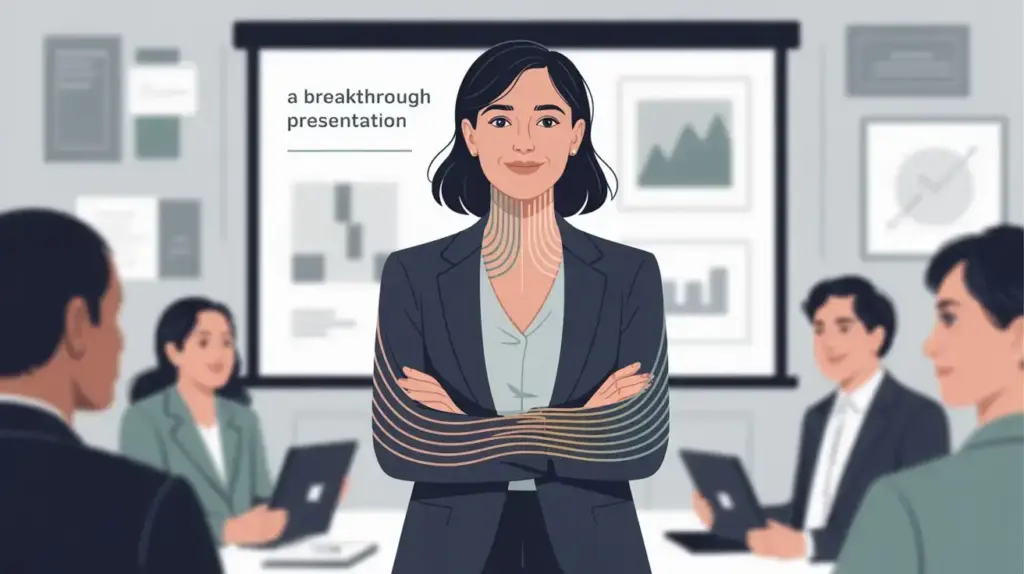
A confident woman stands with arms crossed in front of a screen displaying charts and the phrase a breakthrough presentation, while four colleagues sit at a conference table with laptops. STG-Health

Most people aren’t “stuck in survival mode”—they’re experiencing normal stress responses. Learn why wellness culture pathologizes healthy reactions and what actually needs attention.

The ADHD Emotional Rollercoaster Nobody Warned You About
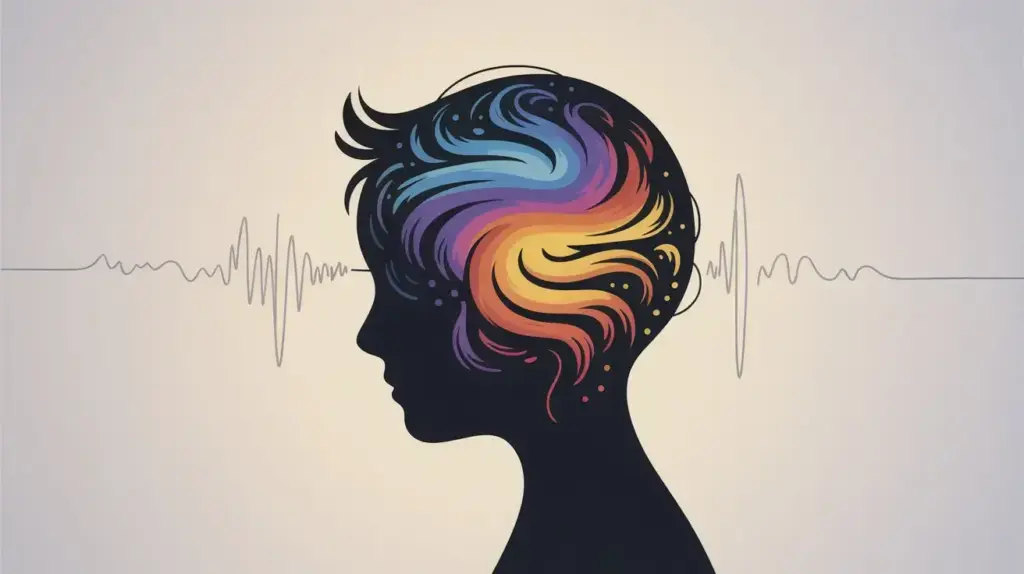
A silhouette of a childs head filled with colorful swirling patterns, symbolizing creativity and thoughts, with a wavy line resembling a brainwave in the background. STG-Health

ADHD emotional intensity isn’t a character flaw—it’s neurology. Discover why you feel everything so deeply and learn regulation strategies that actually work for ADHD brains.

Why Smart People Stay Stuck: The Hidden Patterns That Block Long-Term Goal Achievement
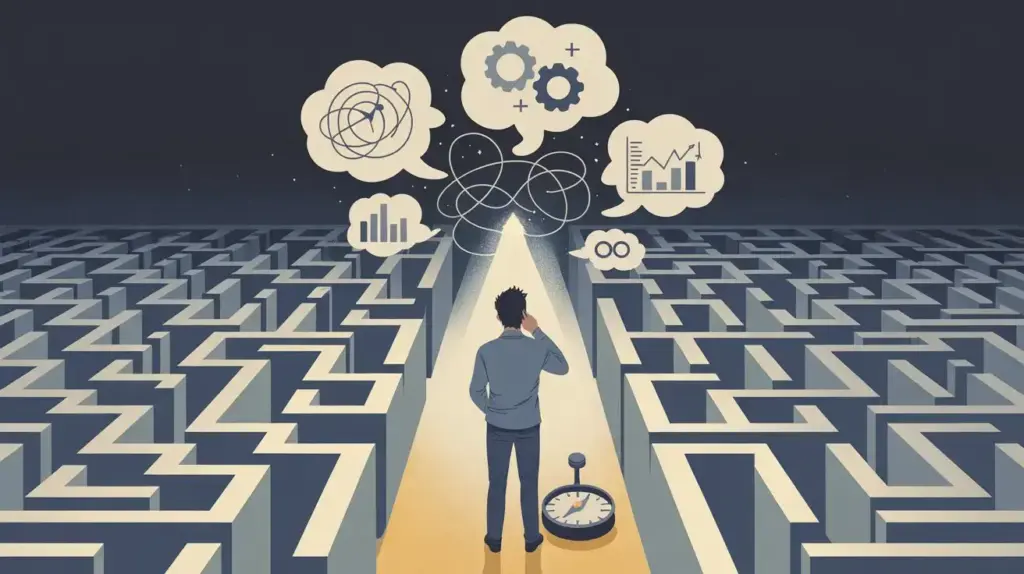
A person stands at the entrance of a maze, facing a lit path. Thought bubbles above show gears, graphs, infinity, and chaos symbols, representing problem-solving and decision-making. A stopwatch lies on the ground nearby. STG-Health

Why smart people stay stuck chasing the same goals for years. Discover the four hidden patterns blocking breakthrough and proven strategies to break free completely.

Your Predictive Brain: Why You Do Things You Don’t Mean To (And How to Stop)
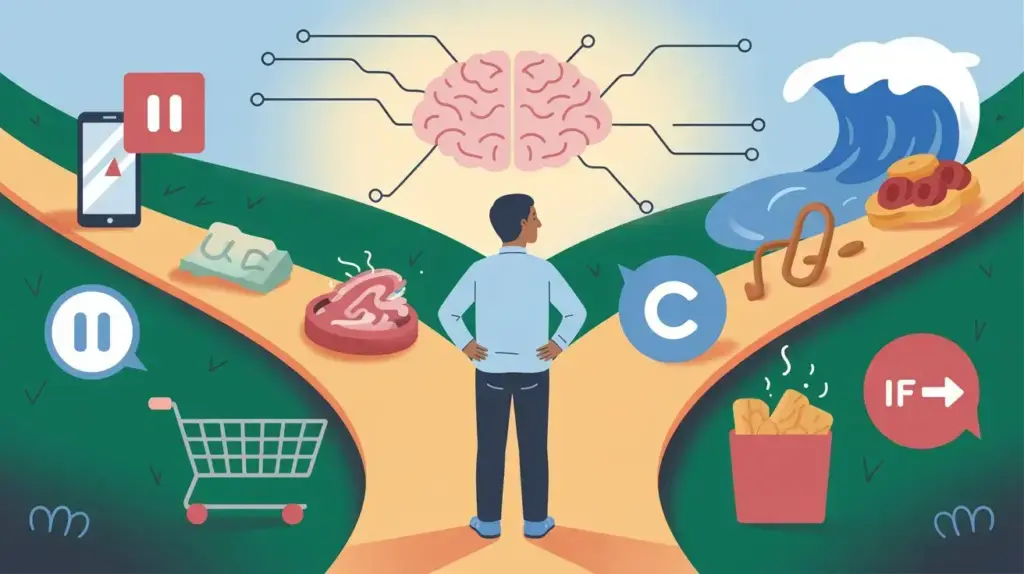
An illustration of a person standing at a forked path, facing a stylized brain. Each path is lined with symbols like a shopping cart, pause buttons, waves, food, and icons representing decisions and choices. STG-Health

Stop impulsive behaviours you regret using neuroscientist Karl Friston’s prediction research and four proven brain-retraining strategies that actually work for lasting change.

Beyond Counting Sheep: Supercharge Your Insomnia Treatment with Light and Your Body’s Clock

Struggling with insomnia? Learn how combining CBT-I with your body’s natural clock can help. Use light therapy and chronotype insights to achieve restful sleep.

← Previous
Next →

Clinically reviewed by Dr. Chris de Feijter, EdD., MACP.
Last reviewed: September 2026 · Treatment approach: CBT-informed, formulation-driven, exposure-based where appropriate.

Not an emergency service. STG Anxiety & Panic Care is an outpatient counselling service. If you are in crisis, call or text 9‑8‑8 (Canada) or go to your nearest emergency department.

Structured online counselling for adults across Saskatchewan. Understand the pattern. Change what keeps it going.

Treatment pathways

  • Panic & avoidance
  • Chronic worry & overthinking
  • Social & performance anxiety
  • Perfectionism & procrastination

The service

  • How treatment works
  • ADHD, OCD, sleep or anxiety?
  • Fees & coverage
  • Frequently asked questions
  • Refer a client

Related STG services

  • SaskADHD
  • SaskOCD
  • SaskSleep
  • SaskBurnout
  • DBT Saskatchewan

© 2026 STG Health Services Inc. Serving adults across Saskatchewan by secure video.

Privacy    Accessibility    Contact