
Skip to content

STG Health Services

Anxiety Care

  • Treatment Pathways
  • How Treatment Works
  • Not sure what fits?
  • Fees & Coverage
  • FAQ
  • Treatment Pathways
  • How Treatment Works
  • Not sure what fits?
  • Fees & Coverage
  • FAQ
Start a screening

Archives

Your Brain on Nature — Why 3 Minutes Outside Can Change How You Feel
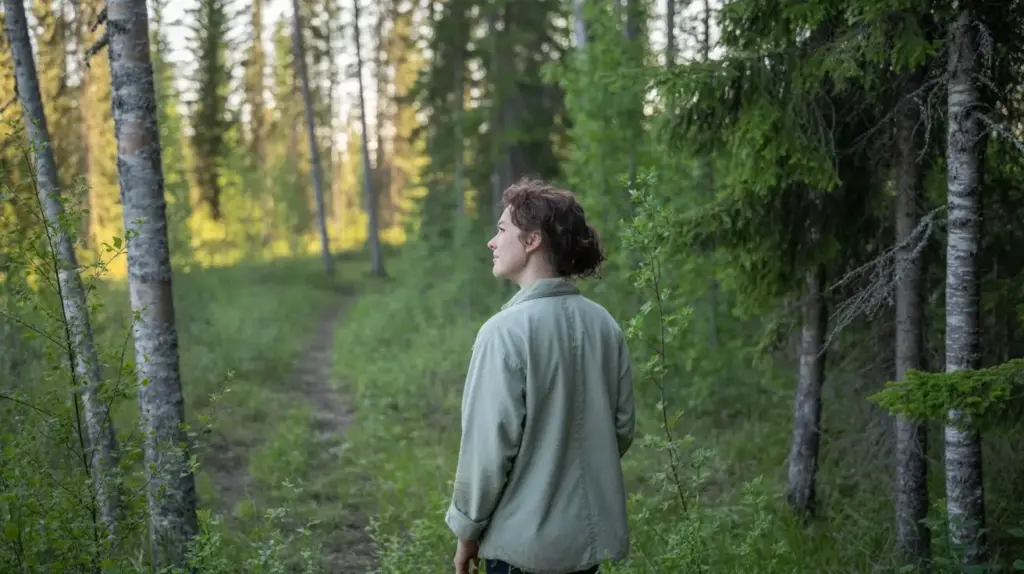
A person with short brown hair wearing a light green jacket stands on a forest path, looking to the side. The sun shines through tall trees and lush green foliage surrounding the trail. STG-Health

Nature exposure reduces stress, restores attention, and quiets rumination in minutes. Learn the neuroscience behind why stepping outside settles your nervous system.

Is Your Therapy Actually Working? How to Spot a Good Therapist and Get the Most Out of Your Sessions

An open notebook with a pen rests on a round wooden table in a sunlit living room, with a cozy armchair and large windows in the background. STG-Health

How to tell if your therapy is working: the Three C’s framework, therapeutic tension, clinical modality questions, and measurable skill growth — not just comfort.

Interrupting the Worry Loop: How to Break Free from Rumination and Ease Anxiety
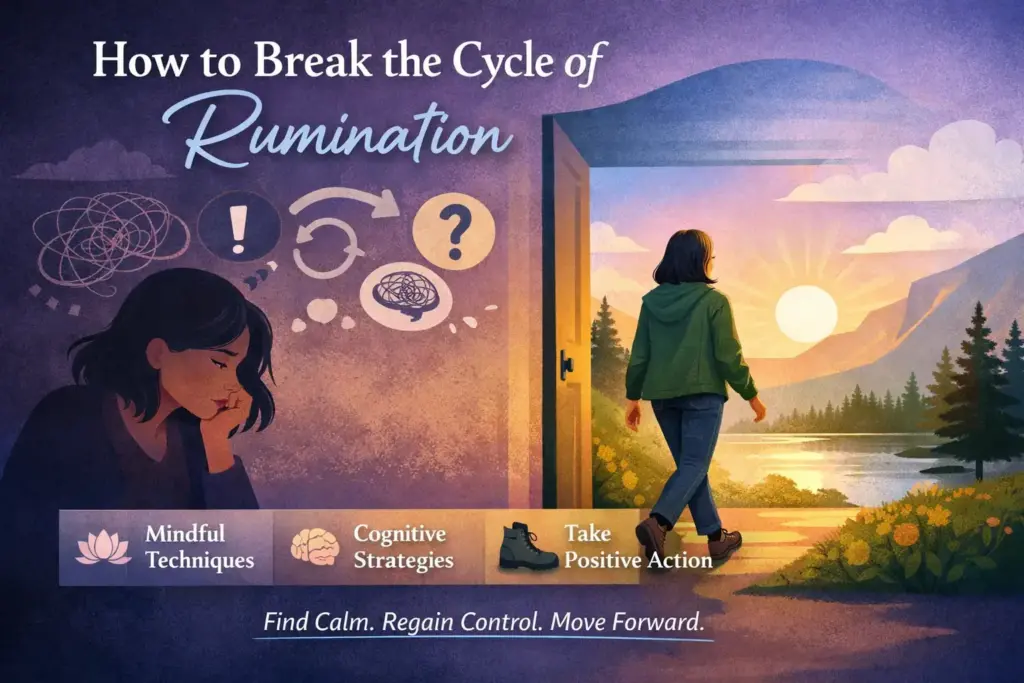
A woman sits with her head down next to icons of tangled thoughts, then walks through a door into a bright landscape. Text: How to Break the Cycle of Rumination with steps: mindful techniques, cognitive strategies, take positive action. STG-Health

Evidence-based strategies from CBT, ACT, and mindfulness to break rumination and worry loops — practical tools for anxiety relief from a registered psychotherapist.”

How Habits Form and Three Science-Backed Strategies to Break Them
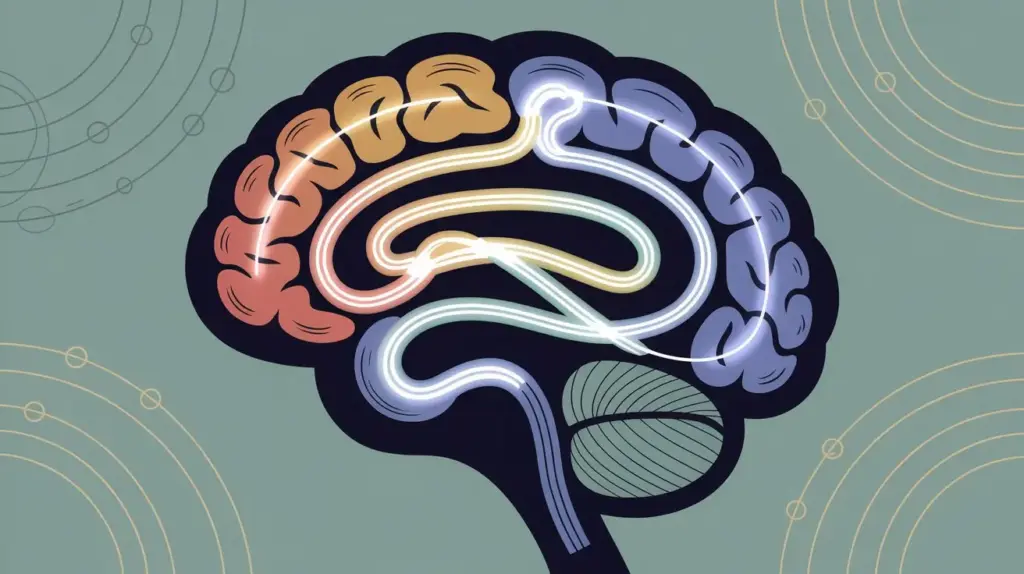
A stylized illustration of a human brain with colorful pathways highlighting neural connections, shown on a muted green background with abstract circular patterns. STG-Health

Learn the neuroscience of habit formation and three evidence-based strategies to break bad habits—backed by research from MIT, UCL, and leading behavioral scientists.

Why Everything You’ve Been Told About “Managing” Anxiety Might Be Making It Worse

A person in a denim outfit stands barefoot on grass near a winding path, surrounded by trees and greenery, facing away toward a misty sunrise or sunset. STG-Health

Research-backed strategies for anxiety relief: if-then plans, environment design, and nature exposure. Learn why controlling anxiety directly often backfires—and what works instead.

Why Your ADHD Brain Keeps Creating Anxiety—And What’s Actually Going On Underneath
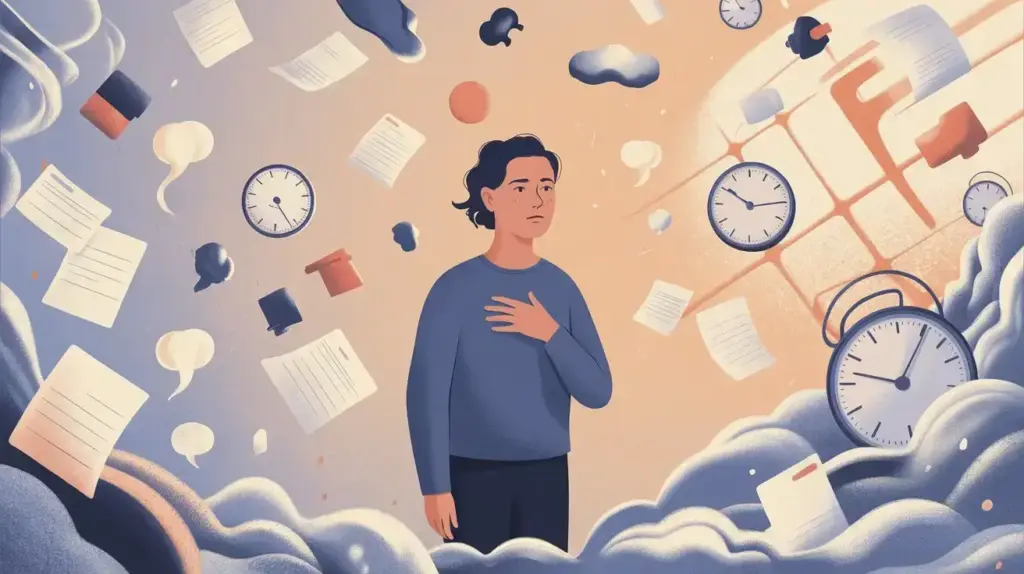
A person stands surrounded by swirling clocks, papers, and clouds, with a hand on their chest and a worried expression, conveying feelings of stress and being overwhelmed by time and responsibilities. STG-Health

Nearly half of adults with ADHD have anxiety—but it’s not what you think. Learn the four pathways your ADHD brain uses to create anxiety and what actually helps.

The Other Attention Disorder: 5 Surprising Truths About Inattention That Aren’t ADHD
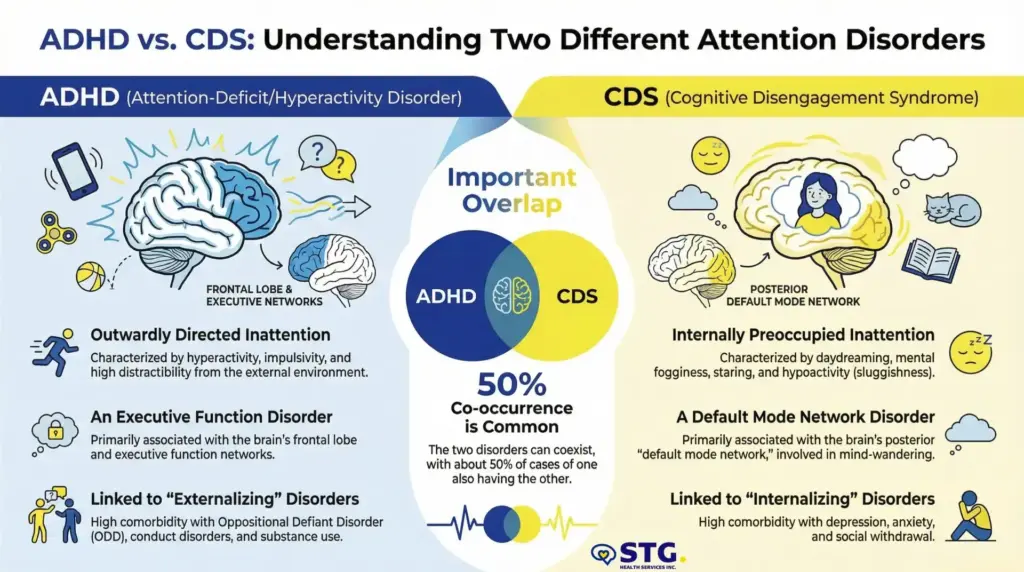
Infographic compares ADHD and CDS, highlighting symptoms, brain regions involved, and overlap. ADHD features hyperactivity and executive dysfunction; CDS involves daydreaming and internal inattention. Venn diagram shows 50% overlap. STG-Health

Cognitive Disengagement Syndrome (CDS) causes internal inattention, brain fog, and excessive daydreaming—distinct from ADHD’s external distractibility. Learn why standard ADHD treatments may not help.

The Power of Psychoeducation in Therapy: Why Healing Accelerates When Learning Happens Between Sessions
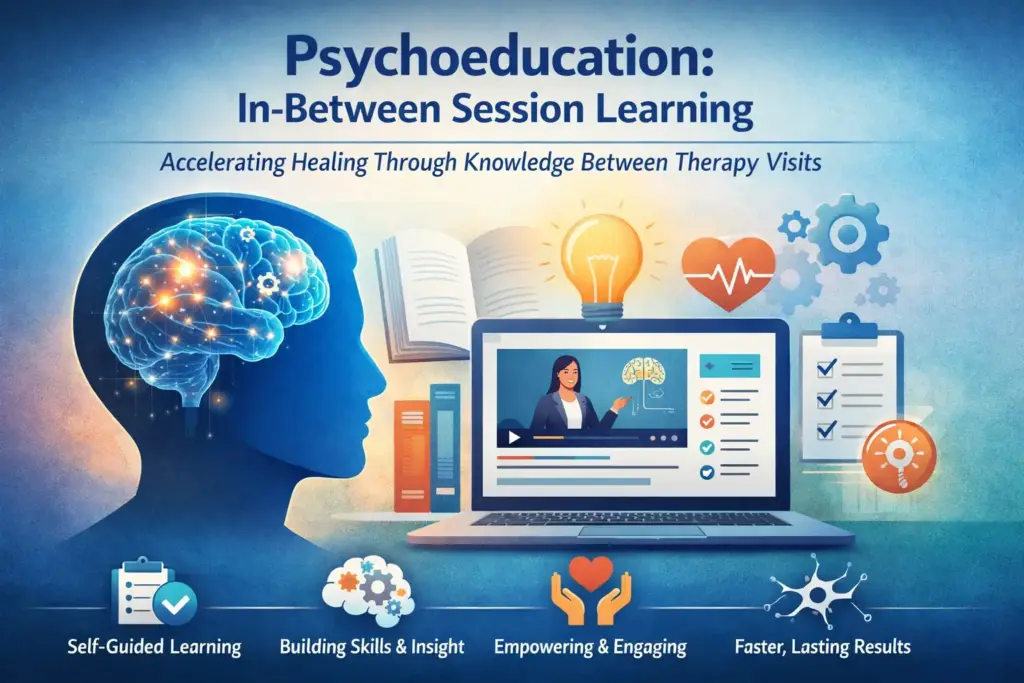
Illustration promoting psychoeducation between therapy sessions, showing a human profile with a lit-up brain, a laptop with an online lesson, books, icons for self-guided learning, skills, engagement, and lasting results. STG-Health

Discover how psychoeducation between therapy sessions accelerates healing through structured learning, skill practice, and neuroscience-based approaches that transform mental health treatment outcomes at STG Health.

Why the “Most Wonderful Time of the Year” Can Feel So Hard: Understanding the Holiday Blues

A woman sits indoors by a window at dusk, wearing a cream sweater and looking pensive, with her hand covering her mouth. Soft string lights and an out-of-focus cityscape are visible outside. STG-Health

Holiday blues are real—not personal failure. Learn why the “most wonderful time” feels so hard and find validation, understanding, and coping strategies.

Beyond the Mental Loop: Understanding and Transforming Overthinking

A young person sits thoughtfully on a bed while gray clouds hover above their head. Golden rays break through the clouds, symbolizing hope or inspiration. The setting is a softly lit, calm room. STG-Health

Overthinking blog: Evidence-based strategies for rumination, worry, and repetitive negative thinking. Learn mindfulness, CBT, metacognitive therapy, and problem-solving for mental health.

← Previous
Next →

Clinically reviewed by Dr. Chris de Feijter, EdD., MACP.
Last reviewed: September 2026 · Treatment approach: CBT-informed, formulation-driven, exposure-based where appropriate.

Not an emergency service. STG Anxiety & Panic Care is an outpatient counselling service. If you are in crisis, call or text 9‑8‑8 (Canada) or go to your nearest emergency department.

Structured online counselling for adults across Saskatchewan. Understand the pattern. Change what keeps it going.

Treatment pathways

  • Panic & avoidance
  • Chronic worry & overthinking
  • Social & performance anxiety
  • Perfectionism & procrastination

The service

  • How treatment works
  • ADHD, OCD, sleep or anxiety?
  • Fees & coverage
  • Frequently asked questions
  • Refer a client

Related STG services

  • SaskADHD
  • SaskOCD
  • SaskSleep
  • SaskBurnout
  • DBT Saskatchewan

© 2026 STG Health Services Inc. Serving adults across Saskatchewan by secure video.

Privacy    Accessibility    Contact